Homeowners often group window cleaning and pressure washing together because both services are associated with exterior cleaning. While they may seem similar at first glance, these services are designed for very different purposes and surfaces. Choosing the right one—or knowing when to use both—can save time, prevent damage, and help maintain a property more effectively.
This guide explains the key differences between window cleaning and pressure washing, what each service is best used for, how costs compare, and how to decide which option fits your needs.
What Is Window Cleaning?
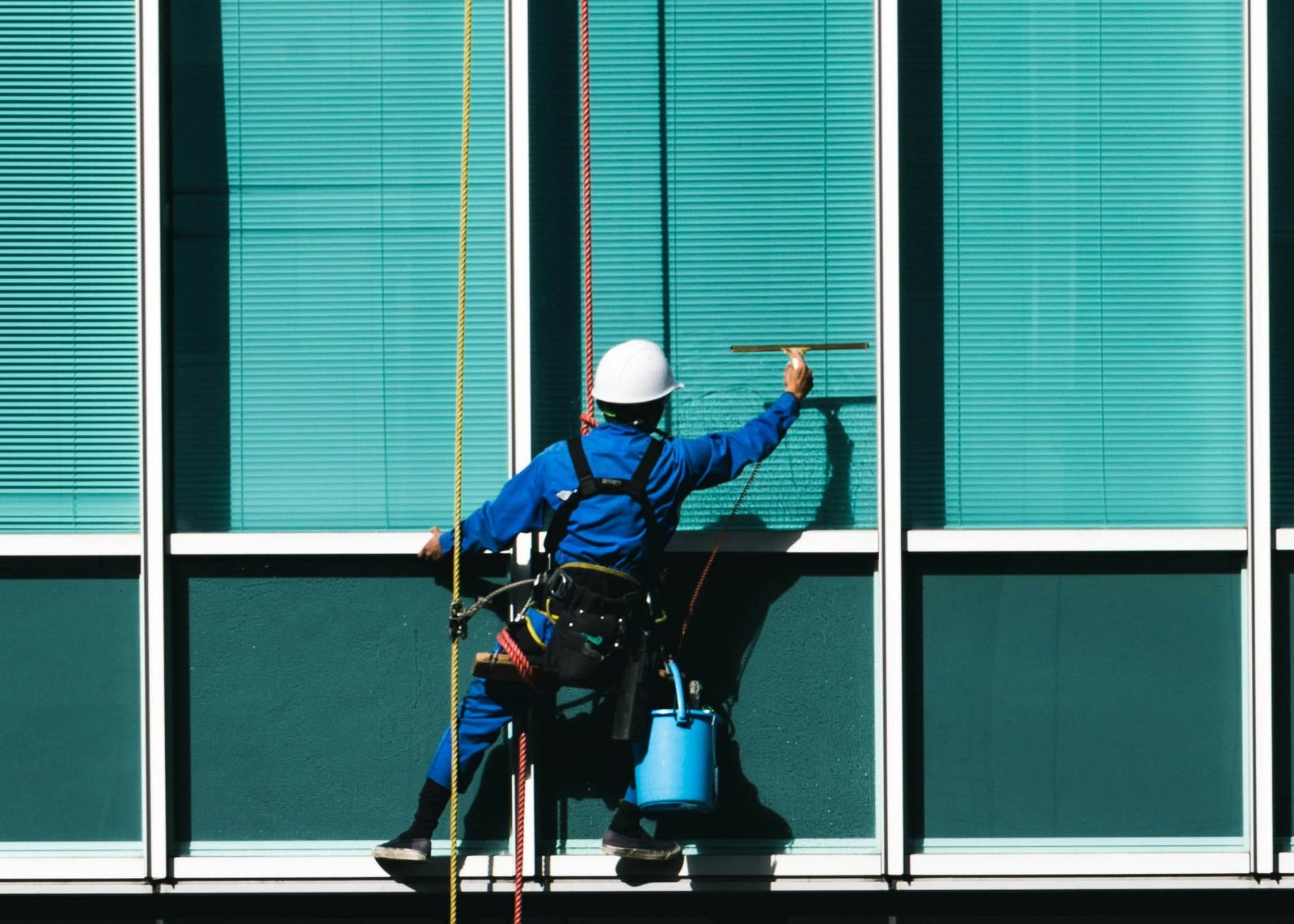
Window cleaning focuses specifically on cleaning glass surfaces to improve clarity, light transmission, and appearance. Professional window cleaning is a detail-oriented service that prioritizes streak-free results and careful handling of surrounding materials.
Typical window cleaning includes:
- Cleaning glass panes inside and outside
- Removing dirt, dust, pollen, and residue
- Using squeegees, purified water systems, and soft tools
- Avoiding damage to frames, seals, and screens
Because glass is delicate, window cleaning relies on precision rather than force.
What Is Pressure Washing?
Pressure washing uses high-powered water spray to remove dirt, mold, mildew, algae, and buildup from hard exterior surfaces. It is designed for durability-focused cleaning rather than delicate materials.
Pressure washing is commonly used for:
- Driveways and sidewalks
- Siding and brick
- Decks and patios
- Fences and exterior walls
The goal of pressure washing is to restore surfaces by removing heavy grime, not to provide fine-detail cleaning.
Key Differences Between Window Cleaning and Pressure Washing
Although both services clean exterior areas, they differ significantly in method, application, and results.
Cleaning Method
- Window cleaning: Low-pressure, manual or purified water systems
- Pressure washing: High-pressure water spray
Surface Type
- Window cleaning: Glass and surrounding trim
- Pressure washing: Concrete, siding, stone, wood, and other durable surfaces
Risk Level
- Window cleaning: Low risk when done properly
- Pressure washing: Can cause damage if used incorrectly on delicate surfaces
Using pressure washing on windows can crack glass, damage seals, or force water into unwanted areas.
Cost Comparison: Window Cleaning vs Pressure Washing
Costs for these services vary based on size, scope, and frequency, but they are priced differently due to labor and equipment requirements.
Average Window Cleaning Costs
- Small homes: $100 – $180
- Average homes: $150 – $300
- Large or multi-story homes: $250 – $500+
Pricing is often based on the number of windows, accessibility, and whether interior cleaning is included.
Average Pressure Washing Costs
- Small areas: $100 – $200
- Driveways or patios: $150 – $300
- Full exterior cleaning: $300 – $600+
Pressure washing prices are often based on square footage or surface type.
When Window Cleaning Is the Better Choice

Window cleaning is the preferred option when the goal is visibility, light, and appearance rather than deep surface restoration.
Window cleaning is best for:
- Improving natural light indoors
- Removing streaks and film from glass
- Maintaining window clarity
- Preparing a home for sale or photography
Pressure washing does not provide the precision needed for clean glass.
When Pressure Washing Makes More Sense
Pressure washing is more effective for removing heavy buildup from non-glass surfaces.
Pressure washing is best for:
- Removing algae or mold
- Cleaning concrete and stone
- Restoring siding appearance
- Preparing surfaces for painting or sealing
Window cleaning tools are not designed for this level of grime removal.
Can Window Cleaning and Pressure Washing Be Combined?
In many cases, these services complement each other rather than compete.
A combined approach may include:
- Pressure washing siding, driveways, and decks
- Window cleaning for all glass surfaces
- Optional add-ons such as screen or track cleaning
Using both services together can provide a more complete exterior refresh, especially for seasonal maintenance.
Risks of Using the Wrong Service
Choosing the wrong cleaning method can lead to unintended damage.
Using Pressure Washing on Windows
- Risk of cracked or broken glass
- Damaged window seals
- Water intrusion
- Etching or scratches
Using Window Cleaning Methods on Heavy Grime
- Ineffective cleaning
- Longer cleaning time
- Incomplete results
Understanding the purpose of each service helps avoid costly mistakes.
DIY vs Professional Services
Some homeowners attempt to perform both services themselves, but results vary.
DIY Window Cleaning
- Suitable for accessible windows
- Lower upfront cost
- Limited effectiveness on hard-to-reach areas
DIY Pressure Washing
- Requires equipment knowledge
- Risk of surface damage
- Not recommended for delicate materials
Professional services offer experience, proper equipment, and safety measures that DIY methods may lack.
How Often Each Service Is Typically Needed
Maintenance frequency differs between window cleaning and pressure washing.
Window Cleaning Frequency
- Once or twice per year for most homes
- More frequent for large glass areas
Pressure Washing Frequency
- Every 1–2 years for most exteriors
- More often in humid or shaded environments
Regular maintenance reduces buildup and long-term wear.
Choosing the Right Service for Your Property
To decide between window cleaning and pressure washing, consider:
- Surface type
- Level of buildup
- Desired outcome
- Budget
- Safety concerns
In many cases, both services play a role in maintaining a clean and well-kept exterior.
Final Thoughts
Window cleaning and pressure washing serve different purposes and are not interchangeable. Window cleaning focuses on clarity, precision, and glass care, while pressure washing targets heavy buildup on durable surfaces. Understanding the differences helps homeowners choose the right service and avoid damage.
Whether used separately or together, selecting the appropriate cleaning method ensures better results and long-term property maintenance.